warning: There is no guarantee of future profits, platform success, or token value appreciation.

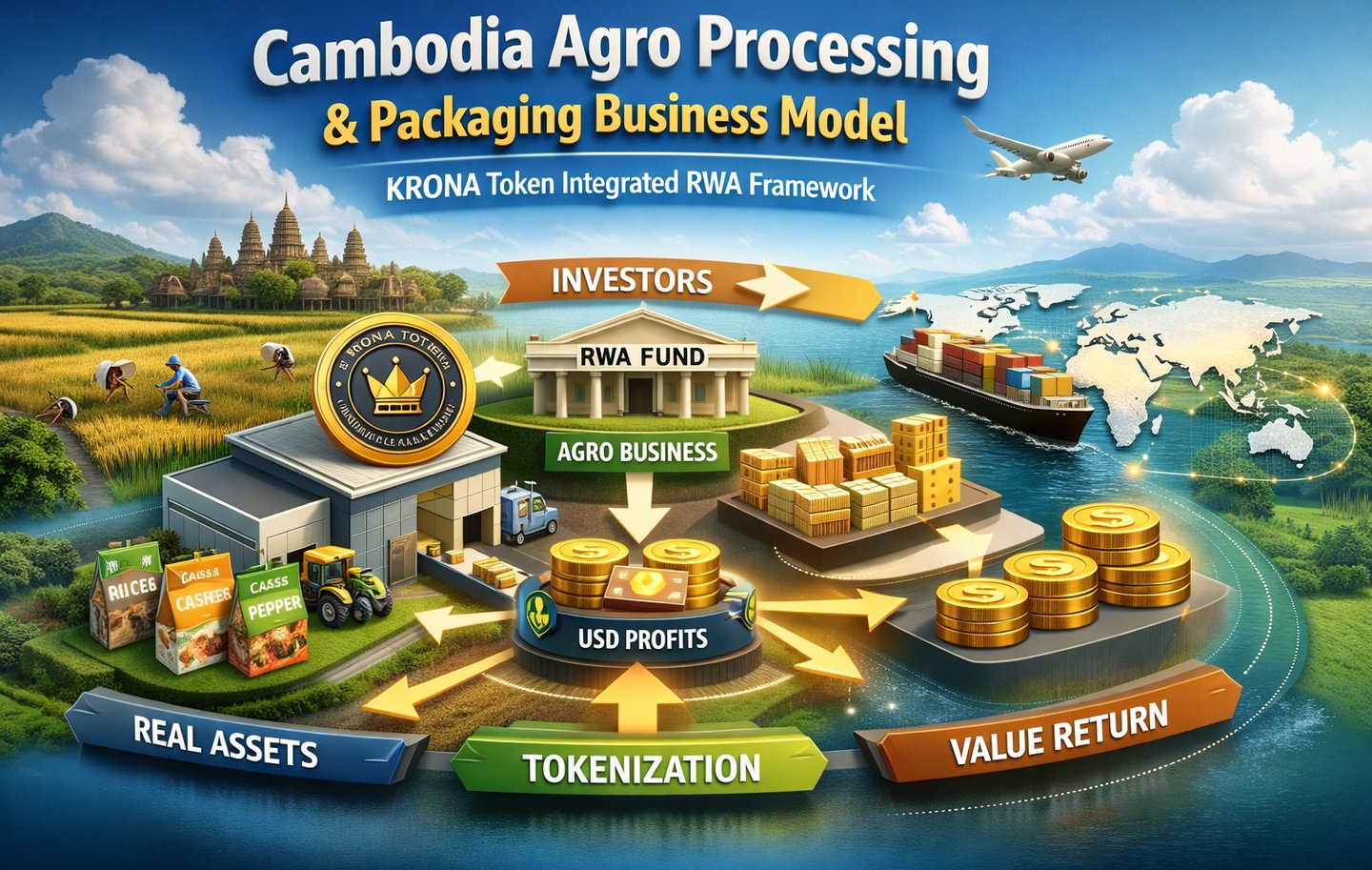
Cambodia Agro Processing & Packaging Business Model(KRONA Token Integrated RWA Framework)
1. Executive Summary
This project establishes a Cambodia-based agro processing and packaging business focused on transforming raw agricultural products into high-value retail goods for global distribution.
The model integrates a Real World Asset (RWA) financial framework, enabling the cash flow generated from real business operations to be tokenized and distributed through the KRONA Token ecosystem.
2. Business Overview
2.1 Core Operations
Procurement of agricultural products (rice, cashew nuts, pepper, dried fruits)
Cleaning, sorting, and processing
Small-unit packaging (retail-ready products)
Branding and global distribution
2.2 Value Creation Strategy

# Core Strategy:
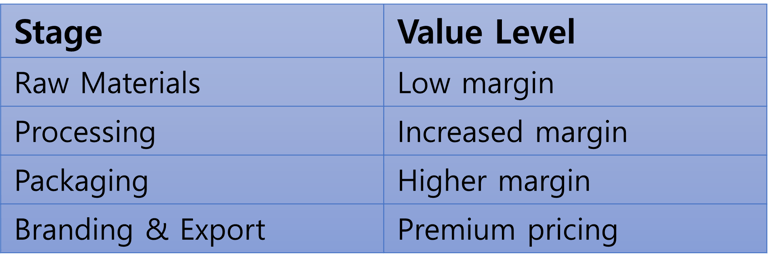
“Bulk-to-Retail Value Transformation”
3. Market Opportunity
Continuous growth in the global food market
Rising demand for natural and healthy food products
Increasing competitiveness of Southeast Asian agricultural exports
# Cambodia offers:
Low production cost + High export potential
4. Operational Model
4.1 Supply Chain Structure
Contract Farming
↓
Raw Material Collection
↓
Processing & Cleaning
↓
Packaging
↓
Branding
↓
Export & Distribution
4.2 Processing Infrastructure
Automated packaging lines
Quality control systems (QC)
Export certification readiness
5. Revenue Model
Primary Revenue Streams
Packaging margin (20–60%)
Brand premium pricing
Export price arbitrage
# The model ensures stable and scalable cash flow generation
6. RWA Integration Framework
6.1 Concept
The business is structured as a Real World Asset-backed financial model, where operational cash flow is linked to investment returns.
6.2 Structure
Investors
↓
RWA Fund (SPV)
↓
Cambodia Agro Business
↓
Processing & Sales
↓
Revenue Generation
↓
Profit Distribution
7. KRONA Token Integration
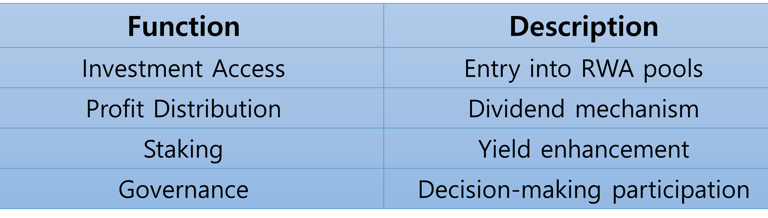
7.1 Role of KRONA
KRONA functions as the financial layer of the ecosystem.
7.2 Post-Issuance Utility
After issuance, KRONA is utilized as follows:
KRONA Purchase
↓
RWA Pool Participation
↓
Capital Deployment
↓
Business Operation
↓
Revenue Generation
↓
Dividend / Buyback / Staking
8. Token Economic Model
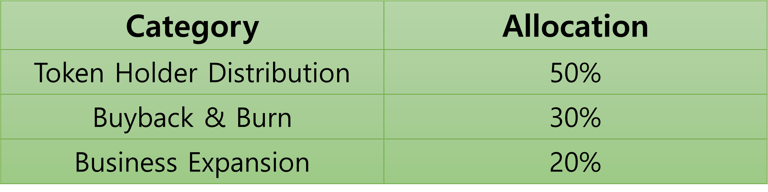
8.1 Profit Allocation (Example)
8.2 Value Accrual Mechanism
Revenue growth increases profit
Profit flows back into the token ecosystem
Buyback reduces circulating supply
# Result:
Token value is directly linked to business performance
9. Cash Flow Integration
Product Sales
↓
USD Revenue
↓
Cost Deduction
↓
Net Profit
↓
KRONA Redistribution
# Core Principle:
“Real Revenue Drives Token Value”
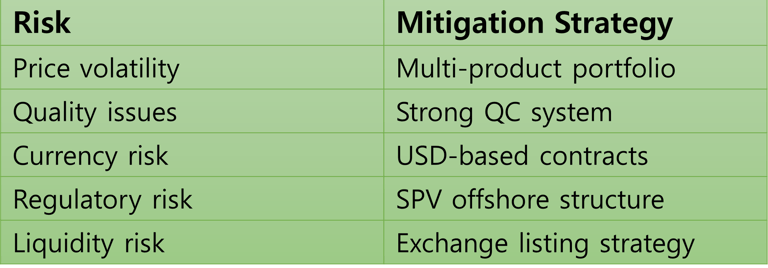
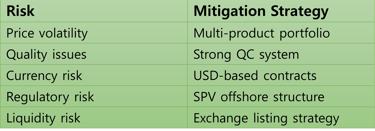
10. Risk Management
11. Roadmap
Phase 1
Facility setup in Cambodia
Initial operations launch
Phase 2
Export expansion
Brand development
Phase 3
RWA structure scaling
Phase 4
Global platform expansion
12. Competitive Advantage
Real asset-backed model
Stable cash flow generation
Integrated RWA financial structure
Web3 scalability
13. Conclusion
This model is not merely an agricultural business.
# It is:
A fully integrated system that transforms agricultural supply chains into investable financial assets through KRONA Token integration.
KRONA
Email: info@krona.cloud
© 2025 Krona. All rights reserved.
Contact Us
KRONA Token functions as a utility token for payment, escrow, staking, and risk control, enabling automated settlement, economic accountability, and global scalability for real-world commerce.