warning: There is no guarantee of future profits, platform success, or token value appreciation.

Equiments
To run a mainnet validator, the equipment vision is centered on high reliability, performance, and stability to ensure maximum uptime and avoid penalties (slashing). The specific hardware requirements vary by blockchain, but generally involve dedicated, enterprise-grade components, a stable internet connection, and reliable power.

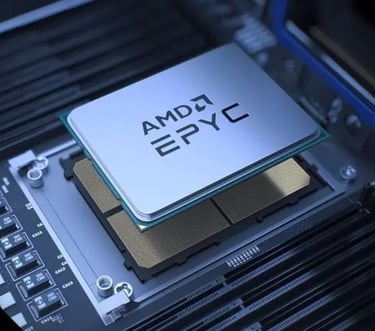
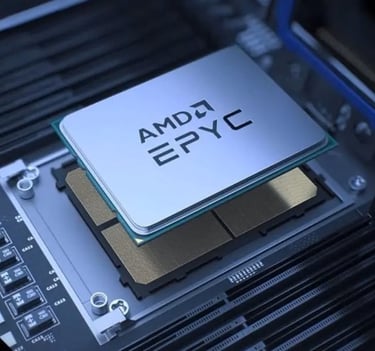
AMD EPYC isAMD's CPU brand for servers and data centersIntroduced in 2017, it succeeds the existing Opteron and is based on AMD's Zen microarchitecture. EPYC CPUs, with their high core counts, outstanding performance, and energy efficiency, are used to handle diverse workloads, including enterprise AI, cloud computing, and high-performance computing.


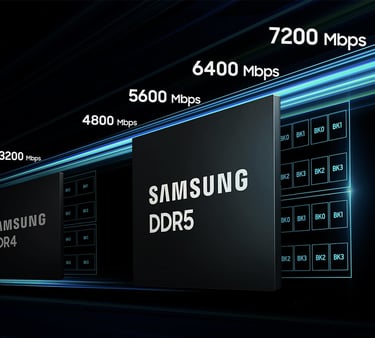
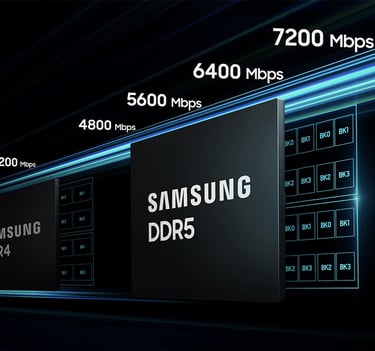

Samsung DDR5 is Memory that provides speeds approximately twice as fast as DDR4 (over 4800 Mbps) and improves power efficiency and stable power supply by directly mounting the power management semiconductor (PMIC) on the module.In addition, capacity has been significantly expanded through 8-layer TSV technology, making it advantageous for processing large amounts of data in the era of high-performance computing and AI.



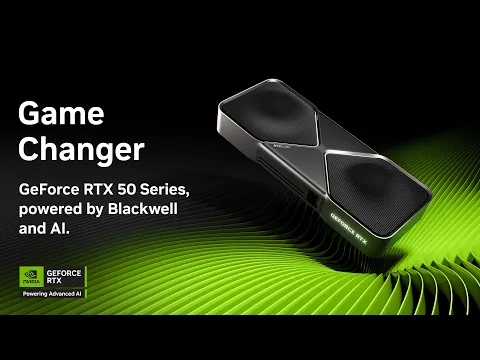
The Nvidia RTX 5090High-end graphics cards released in January 2025It boasts a 27% performance increase over the previous generation RTX 4090 and 32GB of GDDR7 memory. It is based on the 'Blackwell' architecture and offers improved AI performance and low-latency gaming.


Validator Advantages
Financial Incentives
Staking Rewards: Validators earn additional tokens (the network's native cryptocurrency) for successfully verifying transactions, creating new blocks, and participating in the consensus mechanism.
Transaction Fees: In some networks, validators may also receive a portion of the transaction fees from the blocks they propose.
Potential for Profitability: For businesses and individuals with the necessary infrastructure and delegated stake, running a validator can be a profitable strategic move and a source of passive income.
Monetary Value of Tokens: Rewards earned on a mainnet have real-world monetary value, unlike those on a testnet.


Operational Advantages
Self-Custody: Running your own validator allows you to maintain direct control over your funds, as they are not entrusted to a third-party staking service.
Reputation and Community Standing: High-performing validators can build a strong reputation within the community, which can attract more delegators and lead to future opportunities.
Accessibility: Some networks are designed to allow individuals to participate from anywhere in the world without requiring highly specialized or energy-intensive equipment, making participation widely accessible.
In essence, becoming a mainnet validator offers a blend of financial rewards and the opportunity to play a critical, influential role in the operation and security of a live, functional blockchain network.

KRONA
Harbourfront, 2/F, 22 Tak Fung Street, Hunghom, Kowloon, Hong Kong.
Email: info@krona.cloud
© 2025 Krona. All rights reserved.
Contact Us
We are a leading global provider of cloud services, dedicated to making cryptocurrency mining accessible to everyone.